
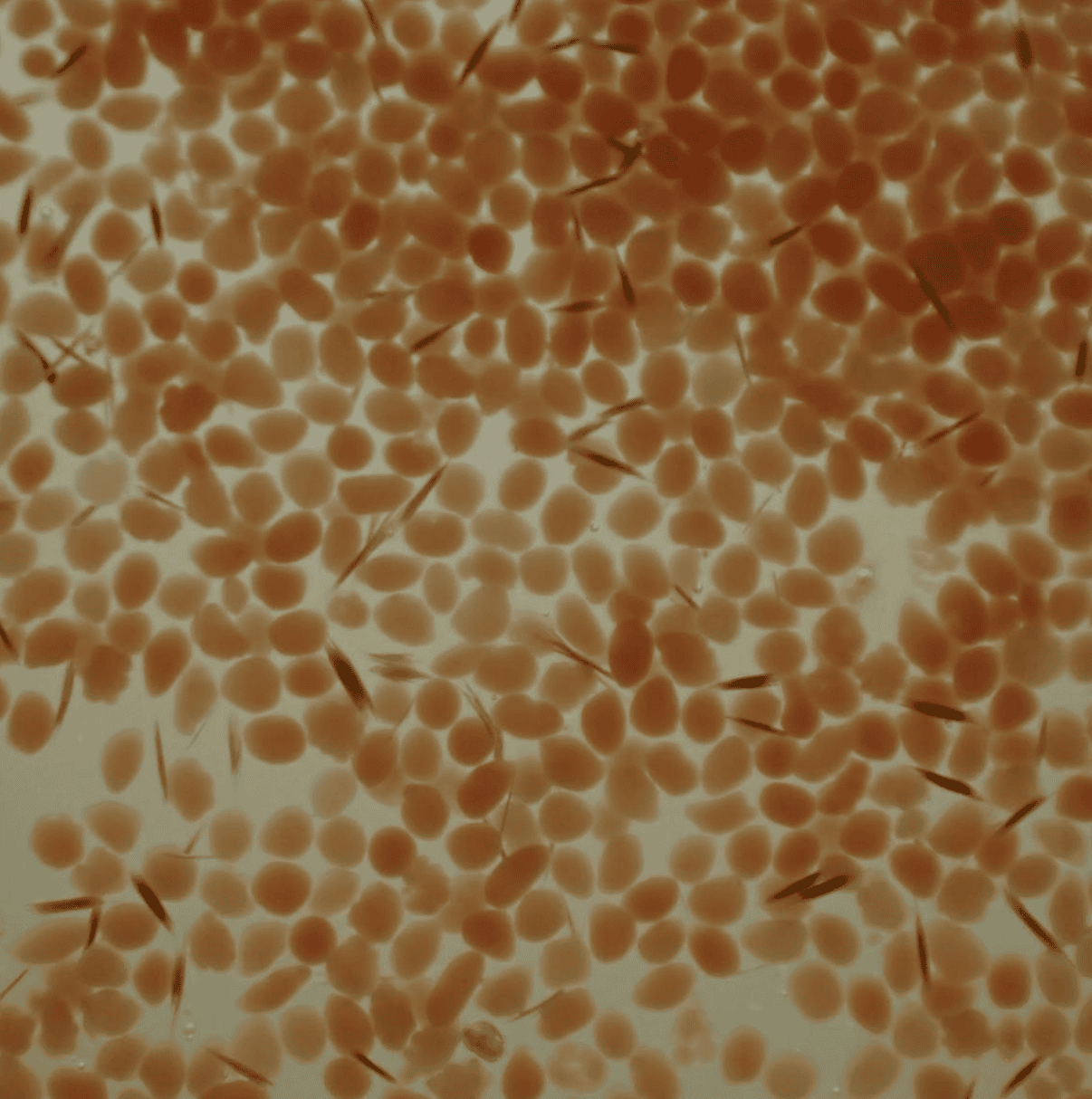
Every year, one of nature’s most incredible underwater events takes place on the Great Barrier Reef – coral spawning! Corals release millions of tiny eggs and sperm into the ocean, creating what looks like an underwater snowstorm.
For Ocean Rafting, it’s also a chance to get hands-on with reef conservation. Alongside other Whitsundays tourism operators, we’ve partnered with the Australian Institute of Marine Science (AIMS) and Reef Catchments through the Boats4Corals project to give our beautiful reef a little extra love.
Two nights on the water
This year, the team spent two nights out on the water waiting for the coral to spawn. After a night of anticipation, it finally happened!
We collected the floating coral spawn and transferred it into specially designed larval pools, where the tiny coral larvae developed over the following days.
Giving the reef a helping hand
The team then transferred the larvae into coral seed boxes and placed the boxes on a reef in the Whitsundays that’s still recovering from the impacts of Tropical Cyclone Debbie. The boxes let the larvae swim out as they become ready to settle, giving them a chance to grow into new corals and support the reef’s recovery.
What happens after spawning?
There’s plenty of preparation throughout the year, and the work continues well after those few nights on the water. The team monitors the reef by analysing photos taken each year with specialised equipment and examining settlement tiles under microscopes to look for tiny coral babies.
That’s how scientists and project partners can see how well the corals are settling and growing, and learn what works best for future restoration efforts.
Looking after the reef year-round
At Ocean Rafting, we’re proud to work alongside local tourism operators, marine scientists and the wider community to help protect the Great Barrier Reef. We spend our days sharing the Whitsundays with visitors from all over the world, and being able to give back to the reef makes that work even more rewarding.
Coral spawning might only happen for a few nights each year, but looking after our reef is a year-round commitment. Every tiny coral baby is another little step towards a healthier, more resilient reef!