Latest News
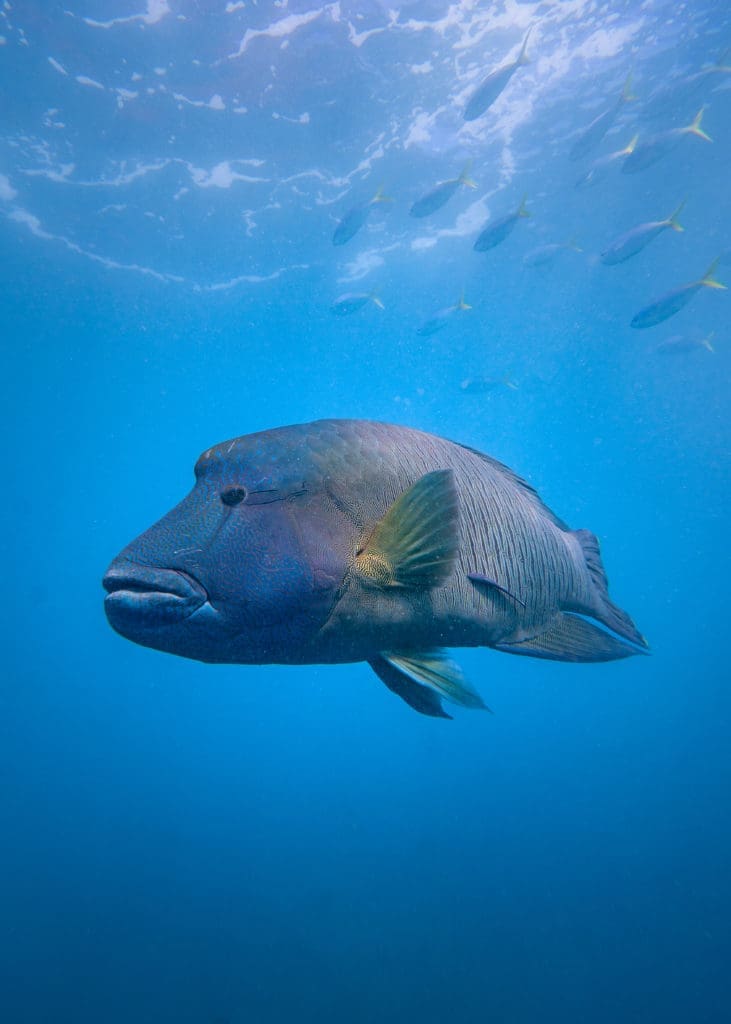
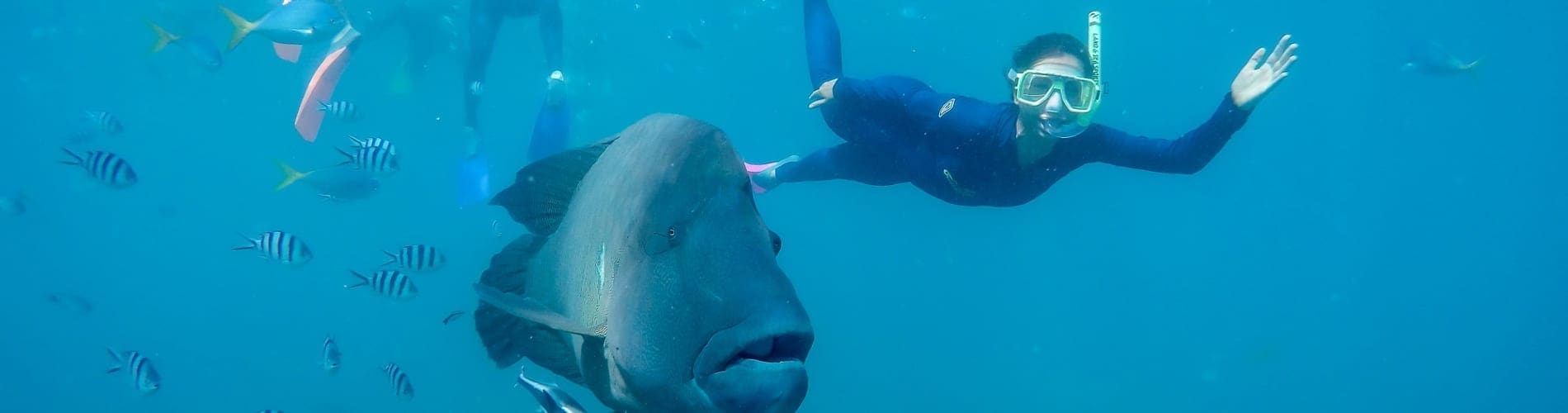
11.05.21 – Humpheaded Maori Wrasse
This week we bring you one of the Whitsundays living legends. George, the Humpheaded Maori Wrasse, is a guest favourite onboard our Northern Exposure tour, with George being the resident male at one of our favourite snorkel locations. We spent some time hanging out with George whilst surveying Manta Ray Bay on Hook Island as part of […]
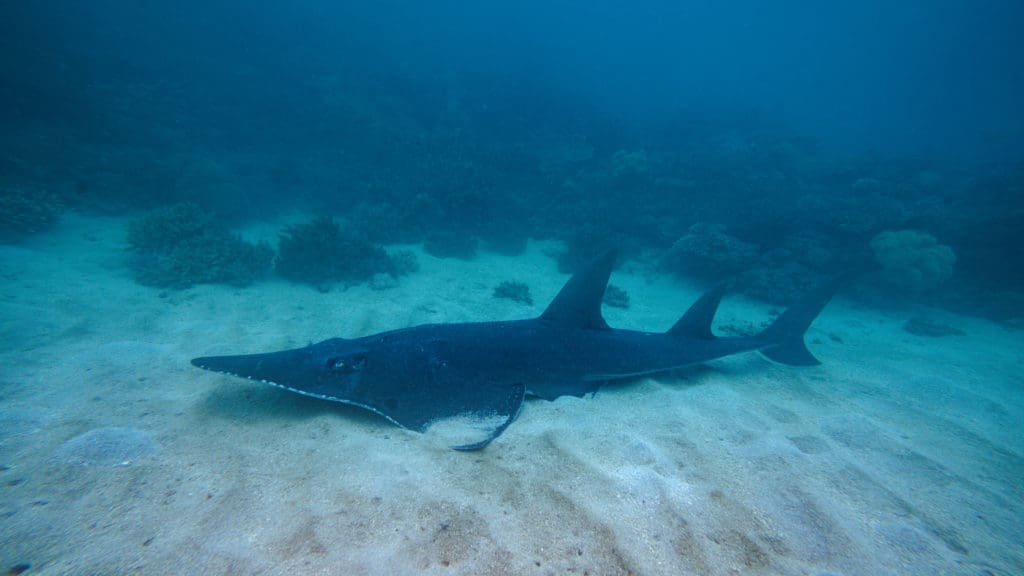
01.05.21 – Guitarfish
Guitarfish, hence their name, have a body that closely resembles the shape of a guitar. However, despite their name, they are actually more closely related to sharks and rays than any species of common reef fish you might normally expect to see day to day. Rays, including guitarfish, belong to the ancient lineage of cartilaginous […]
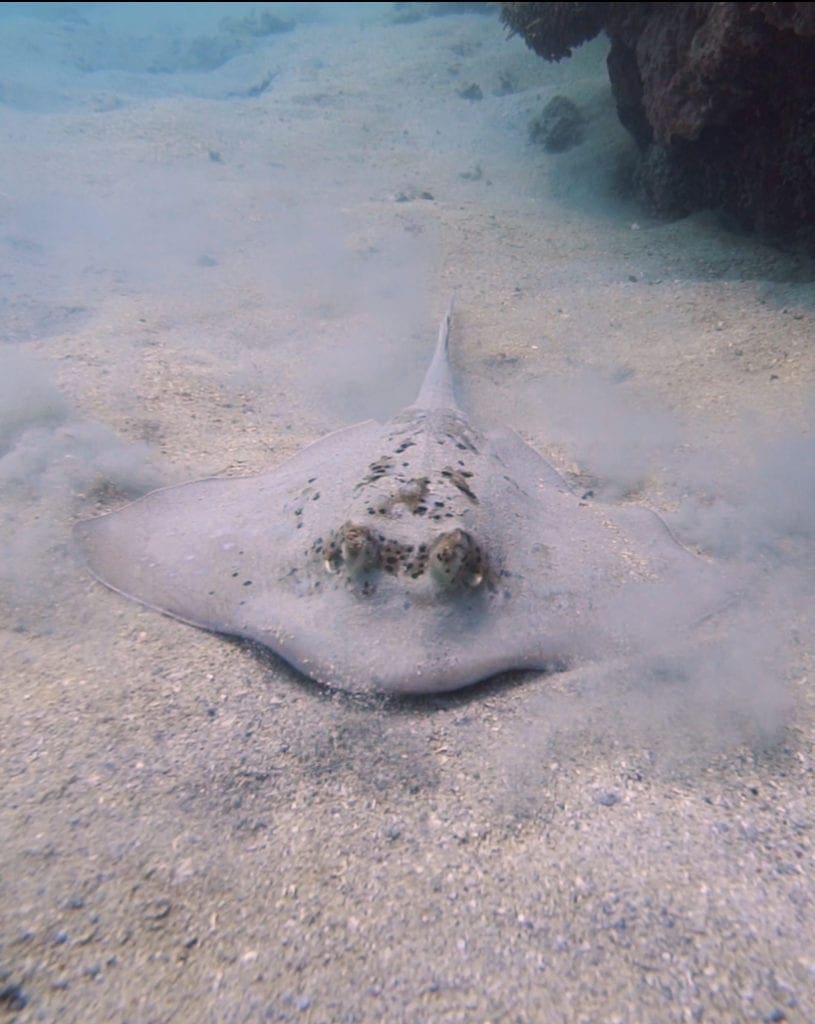
01.04.21 – Kuhl’s Stingray
Also known as the blue-spotted stingray, this hungry fella was sighted feasting on small crustaceans and fish hiding in the sand in one of our favourite snorkel spots this week! With 133 species of sharks and rays found on the Great Barrier Reef, the diversity of this natural wonder offers ever-changing encounters on our tours. […]

Tourism Industry Activation and Reef Protection Initiative
Ocean Rafting is proud to have secured a funding opportunity as part of the Australian Governments $1 Billion Covid-19 Relief and Recovery Fund to support regions, communities and industry sectors severely affected by the coronavirus crisis. The $3.2 million Tourism Industry Activation and Reef Protection Initiative will repurpose vessels and crew from 17 operators to […]
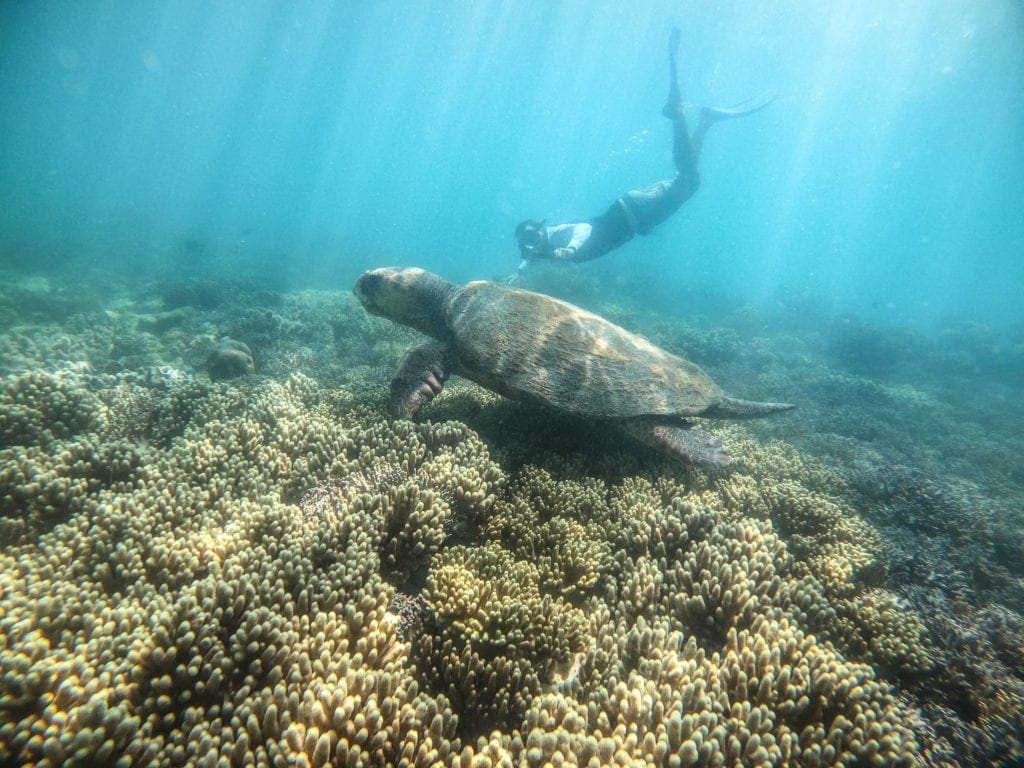
16.03.21 – Loggerhead Turtle
The Great Barrier Reef and the Whitsundays are home to over 1650 species of fish, over 600 species of coral and 6 of the 7 species of sea turtle. Now, although turtle sightings are common on both our Northern Exposure and Southern Lights tour. Green Sea Turtles and Hawksbill turtles are by far the most […]
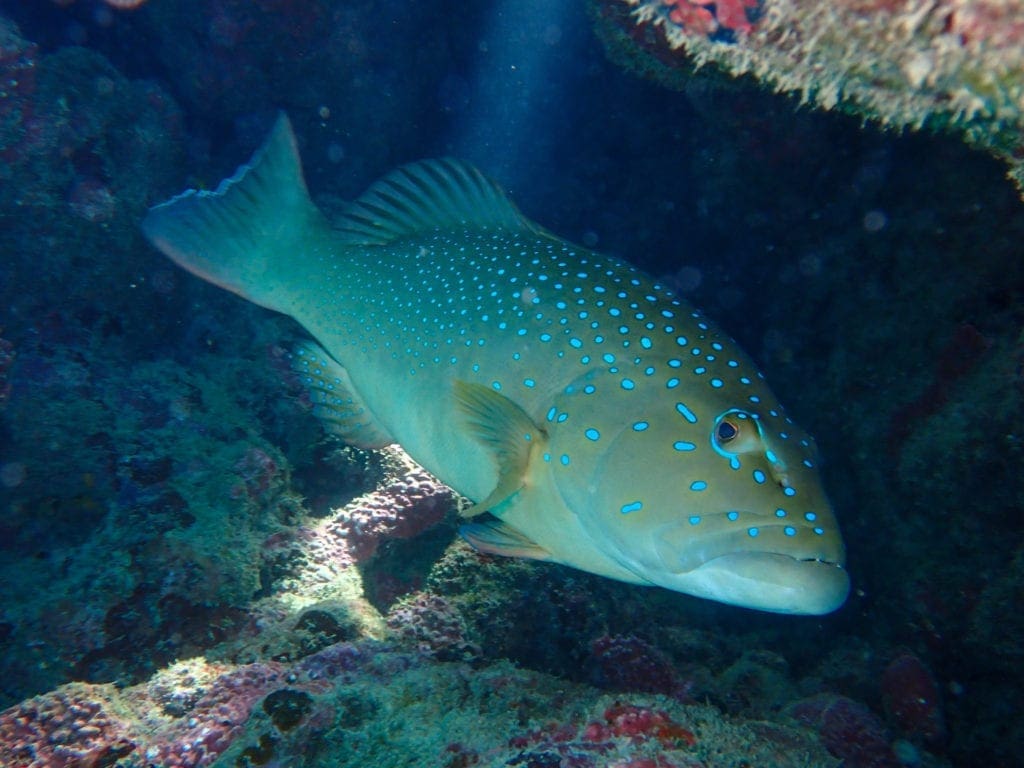
05.03.21 – Coral Trout
Despite its name, Coral Trout are members of the Serranidae family and not related to trout at all! The Coral Trout gets its common name from its appearance, looking similar to the freshwater species. The iconic blue spots make these reef dwellers easy to identify. Coral Trout are best known for being great eating! But […]
